
The eye.
Where biology becomes visible.
Upper and lower blepharoplasty — approached not as aesthetic correction, but as the precise surgical response to what the biology of periorbital ageing actually produces.
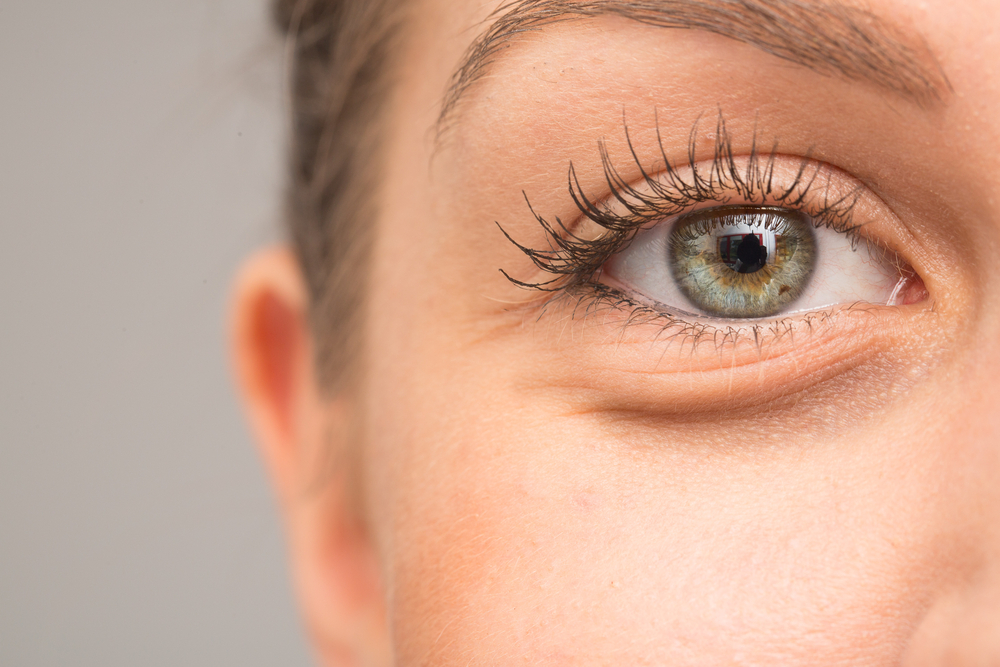
Periorbital ageing is not
inevitable. It is biological.
The periorbital region is where the consequences of biological ageing converge most visibly and most rapidly. Extra Cellular Matrix (ECM) — the structural scaffold beneath the skin — breakdown driven by Matrix Metalloproteinase (MMP) — an enzyme that breaks down the ECM scaffold — cascade activity progressively weakens the structural scaffold. Lymphatic insufficiency produces fluid accumulation and dark circles. Orbital fat redistribution — not simply accumulation — creates volume loss in some zones and prominence in others. Dermal thinning exposes the orbicularis oculi muscle beneath. These are not cosmetic concerns. They are tissue-level biological events, each with a distinct mechanism and a distinct clinical response.
“The visible concern is the endpoint. The biology is where we begin.”
Dark Circles
& Eye Bags.
Dark Circles
Dark circles form from a combination of thin skin over the orbital vessels, pigmentation, and hollowing caused by volume loss in the tear trough. Contributing factors include genetics, sleep quality, hydration, allergies, and sun exposure.
Eye Bags
Eye bags develop from orbital fat prolapse, fluid retention, and skin laxity in the lower lid. Contributing factors include ageing, genetics, sleep position, salt intake, and fluid retention.
Dark circles and eye bags aren't always a surgical question. The SKNCODE™ platform helps identify the biological drivers behind them, specific to you, and builds a precision, holistic protocol around them — spanning medical-grade skincare, nutritional supplementation, at-home beauty devices, in-clinic treatments, and lifestyle modification.
Upper & Lower
Blepharoplasty.
Upper Blepharoplasty
Upper blepharoplasty addresses the structural consequences of levator aponeurosis descent, orbital fat prolapse, and dermal redundancy in the upper lid. The goal is structural restoration — improving visual field, restoring the natural lid crease, and addressing the periorbital architectural changes that no topical protocol can correct. The procedure is performed under local anaesthesia with sedation, with incisions placed precisely within the natural lid fold. Recovery: 10–14 days.
Lower Blepharoplasty
Lower blepharoplasty addresses the trio of lower lid concerns: orbital fat redistribution producing the tear trough shadow, skin laxity from dermal thinning, and the muscular and ligamentous changes that alter lower lid position over time. A transconjunctival approach — incision inside the lid, leaving no external scar — is used wherever structural anatomy permits. The procedure may be performed under local anaesthesia with sedation or under general anaesthesia, depending on the complexity of the anatomy, the combination of procedures planned, and patient preference. This is discussed and decided during the consultation. Recovery: 10–14 days.
Every procedure begins
with the biology.
The periorbital consultation at this practice does not begin with a treatment menu. It begins with a comprehensive assessment of the biological drivers — your skin quality, the anatomical changes specific to your presentation, your lifestyle factors, and your goals. A precision skin assessment through SKNCODE™ may be recommended before surgery, to ensure the topical and supplement protocol is optimal for healing and long-term outcome. The intervention follows the assessment. Never the other way around.
- 1Initial consultation and biological assessment60 min
- 2SKNCODE™ skin protocol optimisationRecommended pre-surgery
- 3Surgical plan discussion and consent
- 4Procedure under local anaesthesia with sedation, or general anaesthesia — determined by anatomy, scope of surgery, and patient preference.
- 5Recovery support and post-surgical protocol
- 6Review at 6 weeks, 3 months, 12 months